No Sign, No Menu, No Reservations: Inside Miami's Thriving Shadow Dining Scene
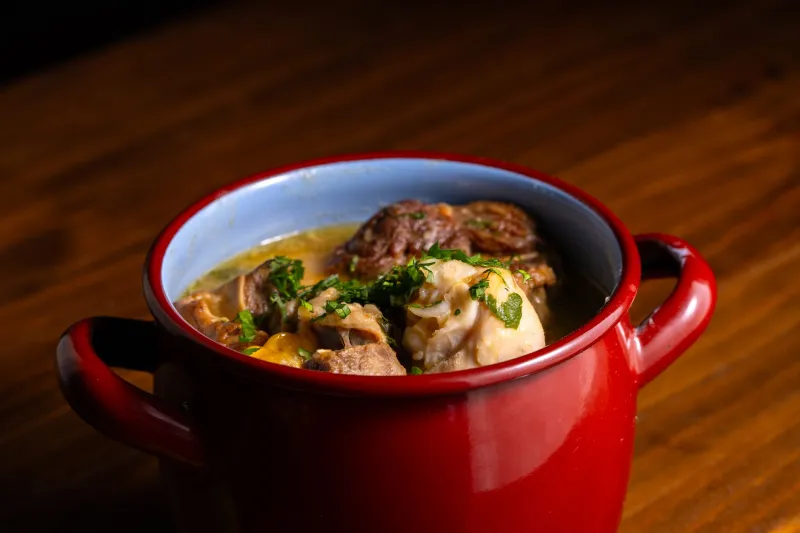
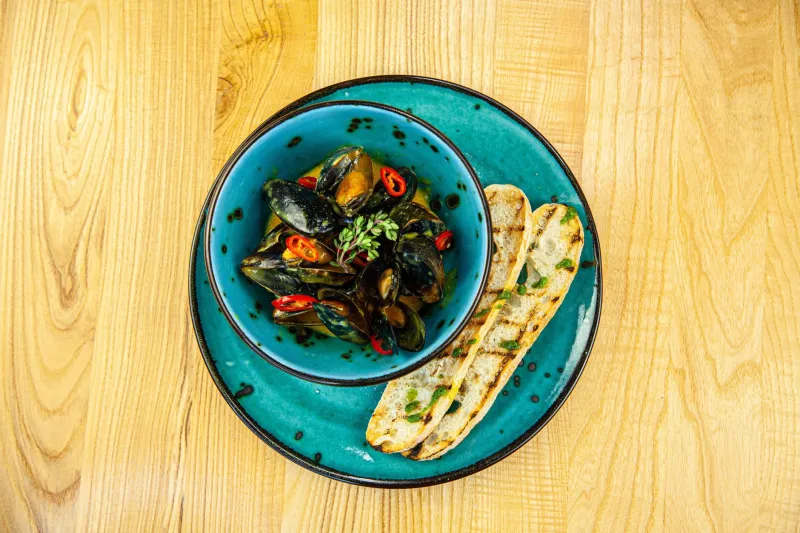
The address arrives as a voice note. Not a text, not a pin drop — a voice note, because some of these chefs are careful like that. You show up to what looks like a converted warehouse loft in Little River, ring a doorbell with no label, and suddenly you're standing inside what might be the best meal you'll eat all year. Candles on reclaimed wood tables. A single server who also happens to be the chef's cousin. And a tasting menu that opens with a leche de tigre poured tableside over raw Florida snapper and closes with something involving guava, goat cheese, and a drizzle of local wildflower honey that nobody can quite explain but everyone keeps talking about on the drive home.
This is Miami's shadow dining economy, and it is not small.
A Circuit That Runs on Trust and Word of Mouth
No one has an exact number for how many unlicensed supper clubs are operating in Miami at any given moment, which is kind of the point. Estimates from people embedded in the scene — food writers, hospitality workers, a few restaurant owners who've lost regulars to these operations — put it somewhere between forty and eighty active hosts running recurring dinners in any given month. Some happen weekly. Some are one-offs tied to a specific ingredient coming into season or a chef passing through town.
The clientele is not who you'd expect. Yes, there are creative-class types from the design district and tech transplants from Brickell who like the idea of eating somewhere their colleagues haven't found yet. But there are also retired Coral Gables couples who've been doing this for fifteen years, long before supper clubs became a concept people wrote about. There are Colombian families who book entire seatings for birthdays because the chef grew up in Medellín and makes a bandeja paisa that tastes like something you can't find in any restaurant in South Florida. There are Israeli immigrants who show up specifically because a home cook from Tel Aviv does a Friday night spread — hummus, lamb, roasted cauliflower with chermoula — that hits differently than anything on a commercial menu.
What connects all of them is an appetite for something that licensed restaurants, for all their polish, have a hard time delivering: the feeling of being a guest rather than a customer.
The Legal Gray Area Nobody Wants to Talk About
Here's the uncomfortable part. What most of these operations are doing is, technically, illegal. Florida food safety law requires anyone selling meals to the public to obtain a food service license, operate from an inspected kitchen, and meet a long list of health department standards. Home kitchens, no matter how immaculate, don't qualify. The penalties for operating without a license range from fines to cease-and-desist orders to, in repeat cases, criminal charges.
And yet enforcement is almost nonexistent. Miami-Dade's health department is stretched thin chasing code violations at licensed establishments. Supper clubs are hard to find and even harder to prosecute — guests aren't going to report a meal they paid $200 for and loved. The whole thing operates on a kind of civic inertia, a collective agreement not to look too hard at something that isn't hurting anyone.
Some chefs structure their operations to minimize exposure. Charging for the "experience" rather than the food. Framing dinners as private events among friends. Accepting payment in cash or through apps that don't generate a paper trail. A few have consulted lawyers who've told them, with varying degrees of confidence, that they're probably fine as long as they stay small and quiet.
"I'm not running a restaurant," says one chef — we'll call her Valentina — who operates out of her Coconut Grove apartment twice a month. "I'm having people over for dinner. I just happen to be really good at it and they happen to pay me."
Valentina trained at a hotel kitchen in Buenos Aires before immigrating to Miami in her twenties. She spent a decade in professional kitchens here before burning out on the hours and the margins and the general misery of working for someone else. Her supper club — eighteen seats, Mediterranean-Latin menu that shifts with what she finds at the Homestead farmers market — has a waitlist of over two hundred people. She charges $175 a head, brings in roughly $3,000 on a good night, and works maybe fifteen hours to make it happen.
"If I opened a restaurant tomorrow, I would lose everything I've built," she says. "The intimacy is the product."
What Restaurants Can't Replicate
This is the part that should make traditional restaurateurs nervous. The underground dining circuit isn't just competing on food quality — and in many cases the food is genuinely exceptional, coming from trained professionals who have total creative freedom and zero food cost pressure from a corporate owner. It's competing on something harder to manufacture: emotional texture.
At a licensed restaurant, the chef is back in the kitchen. The front-of-house team is managing fifteen tables. The menu was approved by an investor. The music was chosen by a playlist algorithm. Every element has been optimized for throughput and repeatability.
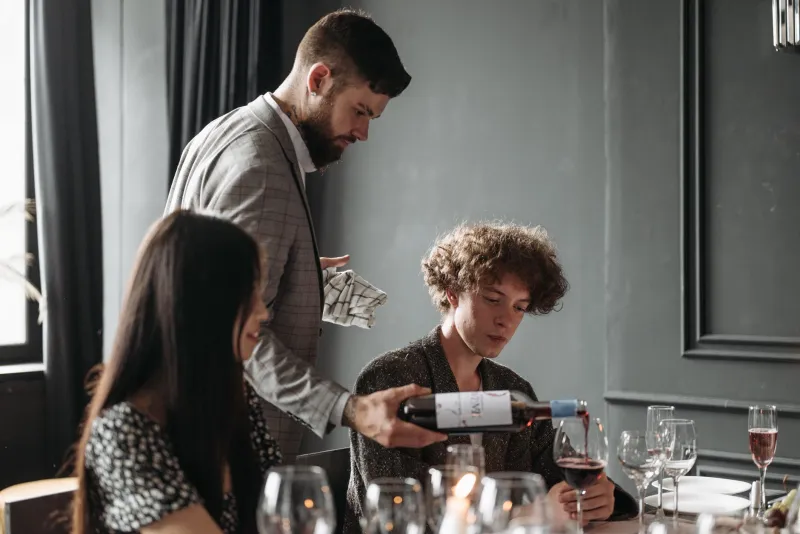
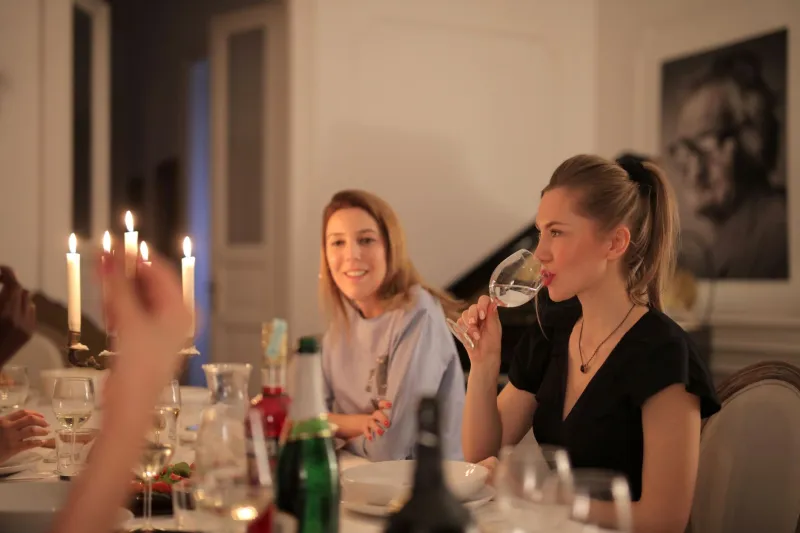
At a supper club, the chef might come out and explain every dish. You might end up talking to the person next to you for three hours. The host might pour you a glass of something they brought back from a trip to the Canary Islands and tell you the whole story of how they found it. The meal might run until midnight because no one wants to leave, and no one is trying to turn the table.
In a food culture that has become increasingly branded, photographed, and algorithmically distributed, that kind of rawness is genuinely rare. People are paying for it accordingly.
Miami Is the Right City for This
There's something specific about Miami that makes it fertile ground for this kind of operation. The city has always had a complicated relationship with formal institutions. Its culinary identity was built by immigrants who cooked what they knew in places that didn't always ask permission. The Cuban ventanita, the Haitian fritay stand, the Colombian bakery operating out of a garage in Hialeah — Miami's food history is full of people feeding communities outside the boundaries of official infrastructure.
The modern supper club is a more upscale version of that same impulse. It's the Lebanese-American chef who trained at a Michelin-starred kitchen in New York and came back to Miami to cook the food she actually wants to cook, for people who actually want to eat it, without a landlord or a general manager or a health inspector telling her what she can't do.
It's the Venezuelan couple running a Sunday lunch out of their Doral home, twenty seats, all-day slow-cooked pabellón criollo and fried sweet plantains and a dessert cart that takes forty minutes to get through because every item on it has a story.
It's the Greek-Peruvian chef — yes, that's a real person, and he's very good — doing a monthly collaboration dinner in a Wynwood loft that fuses ceviche technique with mezze format in ways that feel completely natural and completely Miami.
The Question Nobody Has Answered
What happens when this gets bigger? Some chefs in the scene have started getting attention — not from health inspectors, but from investors and restaurant groups who want to package what they're doing and scale it. Most say no. A few have said yes and immediately lost the thing that made them special.
The tension at the heart of Miami's shadow dining economy is the same one that runs through any underground cultural movement: the moment it becomes official, it becomes something else. The exclusivity, the intimacy, the slight transgressive thrill of eating somewhere you weren't supposed to find — all of that evaporates the second there's a sign on the door and a hostess with a tablet.
For now, the voice notes keep going out at 6 p.m. The candles keep getting lit. And Miami keeps eating well in places it's technically not supposed to be.