From the Bin to the Menu: Miami Chefs Are Turning Kitchen Scraps Into Their Best Work
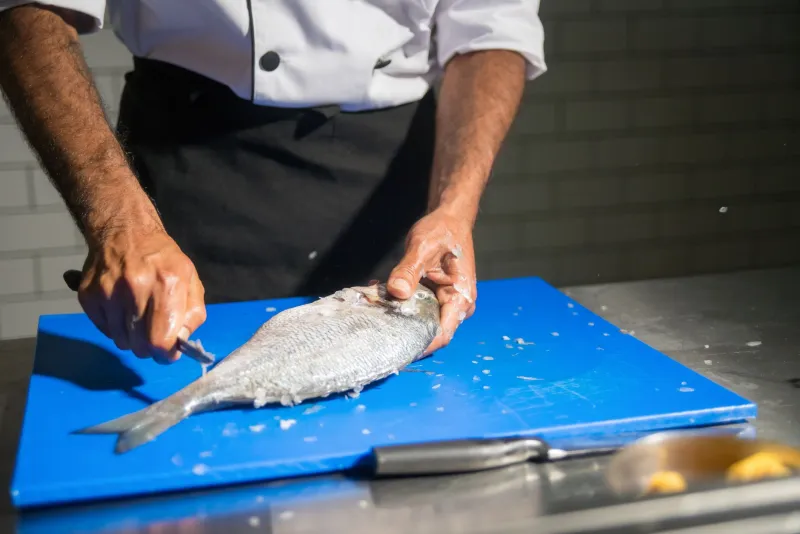
The fish collar was going to be stock. That was its destiny — a supporting role, a background note, something to simmer with aromatics and strain before service. But the chef stared at it a little too long one afternoon and decided to braise it instead, low and slow, with tomato, saffron, and a splash of dry sherry. It went on the menu the next week. It sold out every night for a month.
"I was embarrassed that I hadn't thought of it sooner," he admits. "That collar has more collagen, more fat, more flavor than the fillet we were charging three times as much for."
This is the zero-waste moment in Miami kitchens — not the version that shows up in press releases about sustainability initiatives, but the messier, more honest version where constraint and creativity are basically the same thing.
The Scrap Pile as a Creative Brief
Zero-waste cooking has been a buzzword in fine dining circles for long enough that it's started to feel like a brand strategy rather than an actual practice. But in Miami's Latin and Mediterranean kitchens, the philosophy has roots that predate any trend cycle. Cultures built around scarcity — the Spanish tradition of cocido made from leftovers, the Cuban practice of using every part of a pig, the Greek habit of turning day-old bread into something better than the original loaf — have always treated the discard pile as raw material rather than refuse.
What's changing now is that chefs are getting more deliberate about it. They're building menus around what's left rather than retrofitting uses for scraps after the fact. And in doing so, they're discovering that the constraints are doing something unexpected: they're making the food better.
"When you have to work with something, you actually think about it," says one chef at a Brickell restaurant that runs a Mediterranean-focused menu. "When you can just throw it away, you never develop the relationship with that ingredient. You never learn what it can do."
What's Actually in the Bin
Let's be specific, because the romance of zero-waste cooking can obscure how unglamorous the raw material actually is. We're talking about:
- Fish collars and frames — the bones, heads, and collar sections left after fabricating a whole fish, often discarded or sold cheap to stock makers
- Vegetable tops and peels — carrot tops, fennel fronds, leek greens, tomato skins, citrus rinds
- Stale bread — the loaves that didn't sell, the focaccia that hardened overnight, the leftover pita from a catering job
- Herb stems — the woody parts of parsley, cilantro, and thyme that most cooks snap off and toss
- Meat trim and lesser cuts — the connective tissue, the fat caps, the neck bones, the organ meats that fine dining menus historically avoided
None of this sounds exciting on paper. But in the hands of a chef who's actually paying attention, it's a different story.
Bread Is Where It Gets Interesting
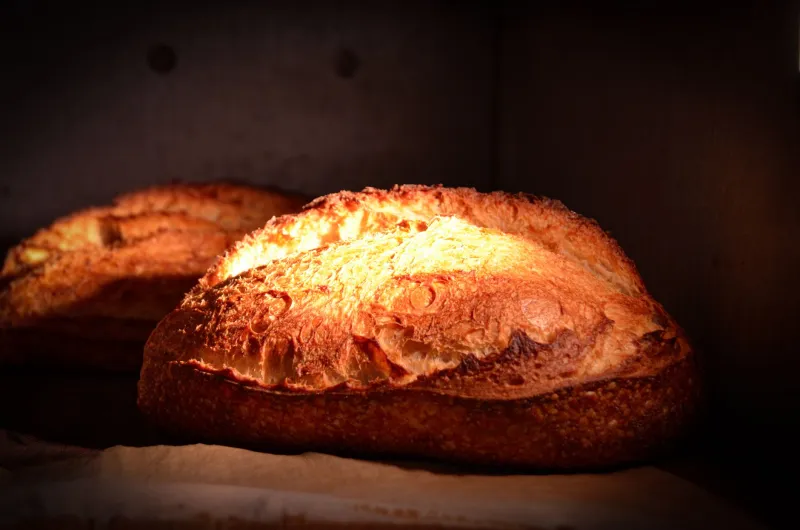
If there's one ingredient that's gotten the most creative rehabilitation in Miami's zero-waste kitchens, it's stale bread. Mediterranean food traditions have always known this — panzanella, ribollita, pan con tomate, fattoush — but Miami chefs are finding new applications that bridge Latin and Mediterranean sensibilities in genuinely surprising ways.
One Coconut Grove kitchen has been running a dish built on stale Cuban bread blended into a thick, savory porridge with sofrito, chicken stock, and aged cheese — something between a ribollita and a sopa de ajo that feels entirely its own. Another spot in Little Havana is frying day-old pita into chips, then crumbling them over a ceviche as a textural element that replaces the traditional cancha corn. "Bread is incredibly forgiving," one chef notes. "The older it gets, the more it absorbs. It's basically an amplifier."
Fish Scraps and the Mediterranean Playbook
Miami's proximity to the ocean — and its robust fishing culture — means fish scraps are a particularly rich vein for zero-waste experimentation. The Mediterranean tradition of using fish heads and frames for broth is well-established, but local chefs are pushing further: curing fish collars in citrus and salt before grilling them over hardwood, turning tuna belly trim into a smoked rillette, using shrimp shells to build a bisque-style base for a rice dish that tastes like it took three days to make (it didn't, but the shells did the heavy lifting).
One chef at a Greek-inflected seafood restaurant in Edgewater has been serving a weekly special built entirely around whatever fish scraps accumulated over the previous seven days. "It forces me to be creative in a way that the regular menu doesn't," she says. "And honestly, those are the dishes people talk about most."
The Numbers Make the Case
Beyond the culinary creativity, there's a straightforward economic argument for zero-waste cooking that Miami restaurants — operating in a city with notoriously high overhead — can't afford to ignore. Food waste represents a significant percentage of restaurant operating costs. Using a whole fish instead of just the fillet, turning vegetable trimmings into sauces and garnishes instead of landfill, stretching expensive proteins by incorporating every usable part — these practices have real financial implications.
"Every time I turn something that would have been trash into a dish I can sell, that's double money," says one restaurateur in Midtown. "I'm saving on disposal costs and generating revenue from something I already paid for. It's not complicated math."
The environmental side of the equation matters too, even if it's harder to quantify on a weekly P&L. Miami's food scene is increasingly aware of its ecological footprint — particularly around seafood sourcing and agricultural waste — and zero-waste cooking represents one of the more practical, kitchen-level responses to that awareness.
Constraint as a Creative Force
What's most compelling about this movement isn't the environmental optics or even the economic logic — it's what happens to the food itself when chefs stop treating the bin as an endpoint. Dishes that emerge from constraint tend to carry a particular kind of integrity. They exist because someone looked at something overlooked and decided it deserved better. That's not so different from what Miami's Latin and Mediterranean culinary traditions have always done: take what's available, apply patience and technique, and make something that matters.
The fish collar is still on the menu. It's still selling out.