Squeeze Every Drop: Miami Chefs Are Hunting Down Heirloom Citrus — and It's Changing Everything on the Plate
There's a moment in any serious cook's life when a store-bought lime just doesn't cut it anymore. Not in the philosophical sense — in the literal, squeeze-it-over-your-ceviche sense. The juice tastes thin. The aroma falls flat. Something essential is missing.
For a growing number of Miami chefs, that moment of reckoning sent them down a rabbit hole that ended not at a specialty grocery store, but at the edge of a grove in Homestead, talking to a third-generation citrus farmer about a tree his grandfather planted in 1942.
Heirloom citrus — the weird, knobby, intensely aromatic varieties that commercial agriculture quietly abandoned in favor of uniform, shippable, shelf-stable fruit — is having a serious moment in Miami. And it's not just a trend. It's a correction.
What We Lost When We Standardized the Orange
Modern citrus breeding is an engineering project. The goal is predictability: consistent size, uniform sweetness, thick skin that survives shipping, and a long shelf life. What got sacrificed along the way was complexity. Bitterness. Floral depth. The kind of volatile aromatic compounds that make a kitchen smell alive when you break the peel.
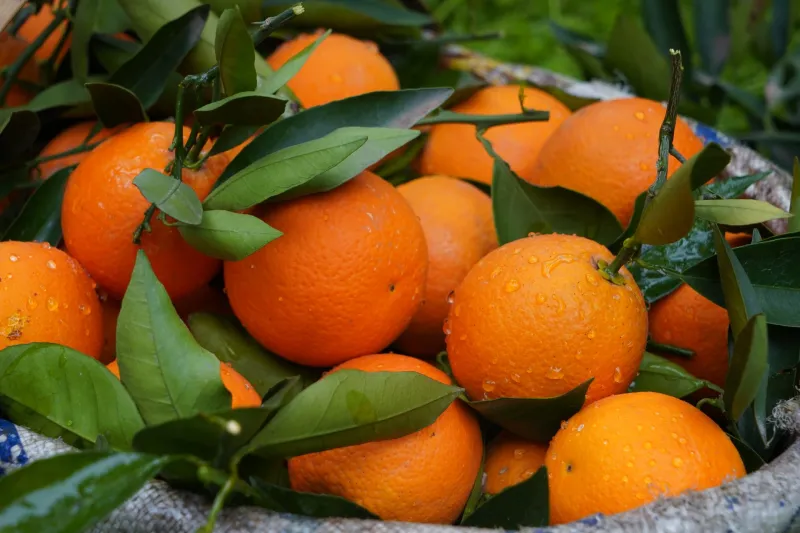
Varieties like the Seville orange — the cornerstone of authentic Cuban mojo and Spanish sofrito — were essentially erased from US commercial markets because they're too bitter to eat out of hand and too delicate to ship well. Bergamot, the citrus behind Earl Grey tea and a staple of Southern Italian cooking, barely exists in domestic production. The Kaffir lime, used across the Caribbean and Mediterranean rim, gets lumped into specialty import categories and sold at a premium when you can find it at all. The Satsuma mandarin, once widely grown in Florida and the Gulf Coast, nearly vanished when cold snaps in the 1980s wiped out groves that were never replanted.
For chefs cooking Latin and Mediterranean food authentically, these aren't minor inconveniences. They're architectural losses. The flavor of a proper naranja agria marinade isn't something you can approximate with a mix of navel orange and lime juice, no matter how many food blogs tell you otherwise.
The Growers Keeping the Trees Alive
About forty miles south of downtown Miami, in the agricultural flatlands of Redland, a handful of small-scale growers have been quietly maintaining heirloom citrus trees for decades — some out of stubbornness, some out of sentiment, and a few because they saw this moment coming.
Carlos Menéndez, a Cuban-American farmer whose family has worked Redland soil since the 1960s, grows over a dozen heirloom varieties on his twelve-acre property, including a block of Seville orange trees that he describes as irreplaceable. "My mother used those oranges for everything," he says. "The mojo, the marinades, the holiday roast. When you use the real fruit, you understand why the recipe exists."
Menéndez started selling to Miami restaurants about six years ago, initially to just two or three chefs who tracked him down after tasting his fruit at a local farmers market. Now he has a waiting list. The shift, he says, happened when younger chefs started treating citrus the way sommeliers treat grapes — as something with terroir, with history, with a reason for being.
Similar stories are playing out at small groves across South Florida and up into the Central Florida highlands, where a loosely connected network of heritage growers has been steadily expanding their heirloom plantings in response to chef demand. Some are working with the University of Florida's Institute of Food and Agricultural Sciences, which maintains one of the most extensive citrus germplasm collections in the country — a kind of ark for varieties that have no commercial future but enormous culinary value.
What Chefs Are Actually Doing With These Fruits
The applications are specific, and the chefs who use heirloom citrus will tell you that specificity is the whole point.
At one Wynwood restaurant focused on modern Cuban cooking, the kitchen uses Seville orange juice as the acid base for its whole roasted pork — not as an exotic flourish, but because that's how the dish was always supposed to be made. The chef, who spent time cooking in Havana before opening in Miami, describes the difference between Seville and navel orange as the difference between a conversation and a monologue. "Navel orange just says sweet. Seville says something complicated. It argues with the garlic and the cumin. That argument is the flavor."
Over in Little Havana, a Mediterranean-Latin fusion spot has been experimenting with bergamot in ways that blur the line between cooking and perfumery. The citrus shows up in a cured fish preparation inspired by Sicilian traditions, where its floral bitterness cuts through the fat of the cure and lifts the whole dish into something unexpectedly bright. The chef sources her bergamot from a small Calabrian-American grower in Homestead who planted the trees after struggling to find quality fruit for his own family's recipes.
Bitter orange peel, candied and dried, has become a pantry staple at several Miami restaurants — used the way a Mediterranean kitchen might reach for preserved lemon, but with a distinctly Caribbean edge. Satsuma mandarin juice, with its lower acidity and almost perfumed sweetness, is finding its way into vinaigrettes, cocktail syrups, and dessert glazes that want citrus brightness without the sharp punch of a lemon or a Persian lime.
Learning to Cook With Fruit That Fights Back
Heirloom citrus requires a different kind of kitchen literacy. These fruits don't behave like the citrus most American cooks grew up with. Seville oranges are aggressively bitter raw and need to be used in context — in fat-rich marinades, balanced against salt and spice, or cooked down into something that transforms the bitterness into depth. Bergamot is so intensely aromatic that a little goes a long way; too much and you've flavored your pasta like a tea bag.
Chefs who work with these varieties talk about the learning curve as part of the appeal. There's a tactile, investigative quality to cooking with fruit that has genuine personality — you have to pay attention, adjust, taste constantly. The process reconnects cooking to something older and more instinctive than following a standardized recipe.
Some Miami chefs have started hosting informal tastings and technique workshops around heirloom citrus, inviting line cooks, food writers, and curious home cooks to taste the difference side by side. The reaction, almost universally, is the same: people didn't know what they'd been missing because they'd never tasted the real thing.
Why This Matters Beyond the Kitchen
There's a cultural argument underneath the culinary one. Latin and Mediterranean food traditions were built around specific ingredients that grew in specific places. When those ingredients disappear from the market, the recipes that depend on them get quietly distorted — adapted, approximated, and eventually disconnected from the original logic that made them work.
Reviving heirloom citrus isn't nostalgia for its own sake. It's a form of culinary archaeology, a way of recovering the actual flavor of dishes that have been slowly drifting from their origins. For Miami — a city where those origins are living memory for a huge portion of the population — that recovery feels less like a food trend and more like a homecoming.
The trees are still out there. The growers are still tending them. And the chefs are finally showing up at the grove gate, asking the right questions.